Purveyor of Knowledge and Emerging Publisher of Content and Visually Driven Books

January 26, 2026

Federico Estrada: The Forgotten Great


Federico Estrada: The Forgotten Great
by: Christiane L. de la Paz 
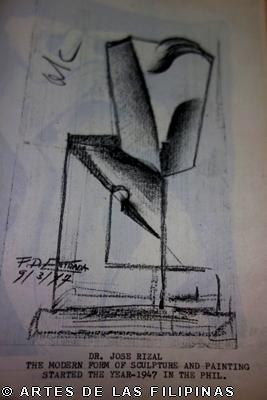
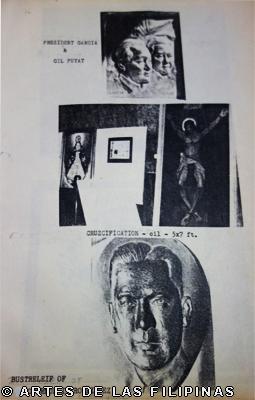
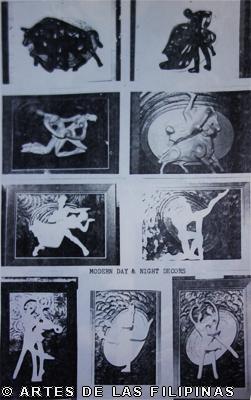
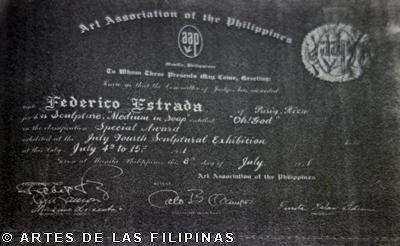
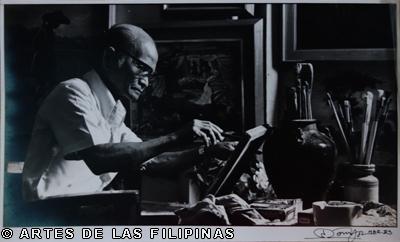
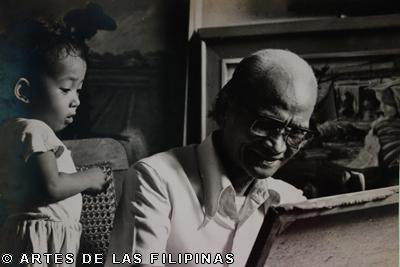
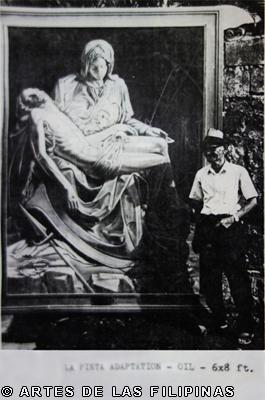
October 2013–A lesser known contemporary of Vicente Manansala, Federico Estrada started his career as a sculptor in 1932. He was the first Filipino to work at the atelier of Pietro Amberti who taught him the secrets of synthetic marble, floating strips, spray dotting, molding and general sculpturing from 1932-1940. Notable among his works were the eagle casting and fountain project at the Manila Hotel, the seven statues on the panel columns of the San Agustin Church in Iloilo, among others. A Chinese mausoleum was decorated with his dragon done in waterproof cement and synthetic.


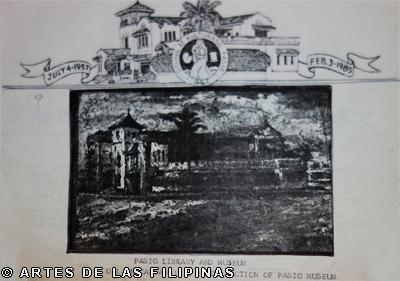
Pasig Library and Museum


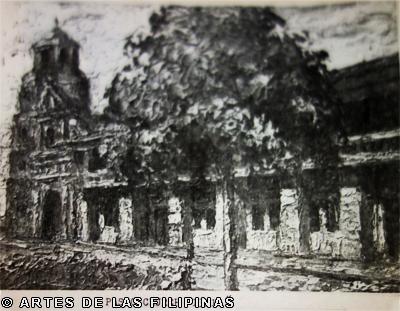
Pasig Church
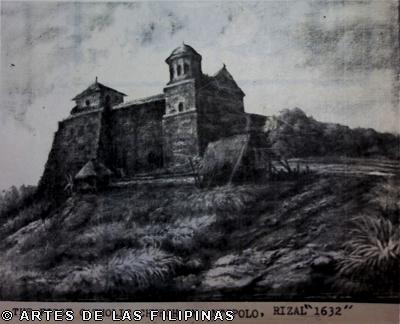

The First Catholic Church in Antipolo
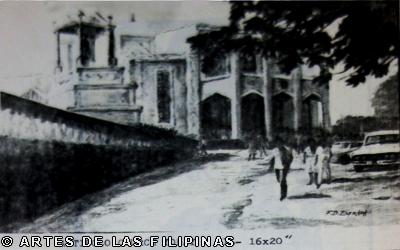

Antipolo Church Today
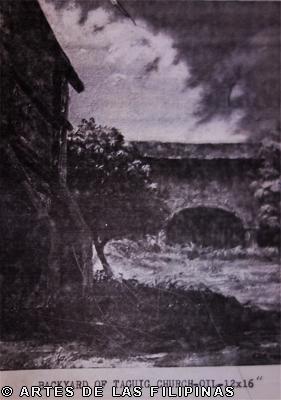

Backyard of Taguig Church
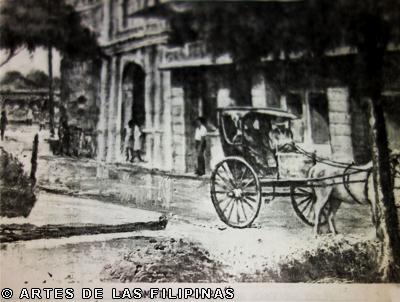

Karomata

On March 8, 1946, Estrada participated in his first group exhibition with Fernando Amorsolo, Botong Francisco, Vicente Manansala, among others. This group show was sponsored by the N.T.C Art Club in Tanduay, Manila. From 1951-1953, a number of his works won top prizes at the Art Association of the Philippines. But because he had a large family to feed, he turned mostly to painting for livelihood. “Sumisikat at tumatanyag ang ibang artista dahil sila ay mayayaman, lagi silang nangingibang bansa at laging laman ng pahayagan, sobra ang publisidad  kung kaya tanyag na tanyag” he once lamented.
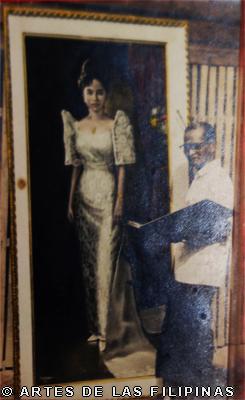

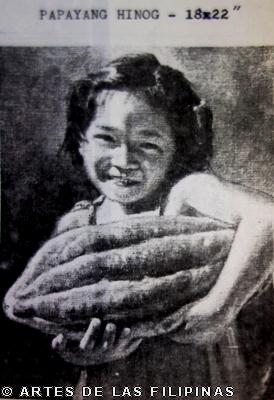
Papayang Hinog
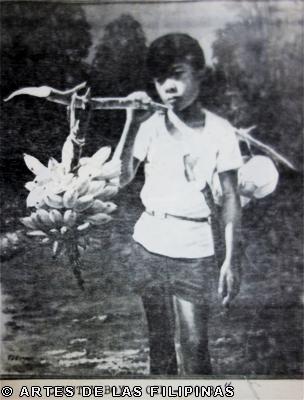

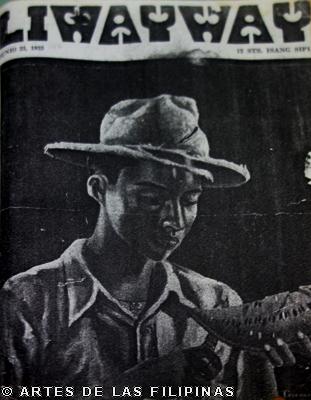
Country Boy
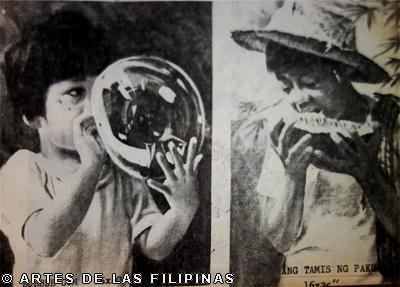
Bubble Gum and Ang Tamis ng Pakuan
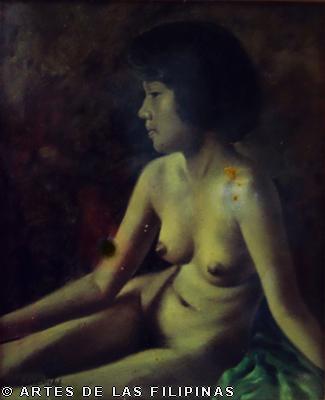

A Man Called Mahatma Gandhi
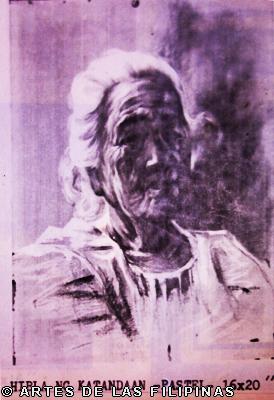

Hibla ng Katandaan
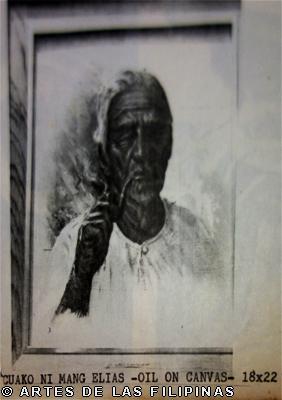

Cuako ni Mang Elias

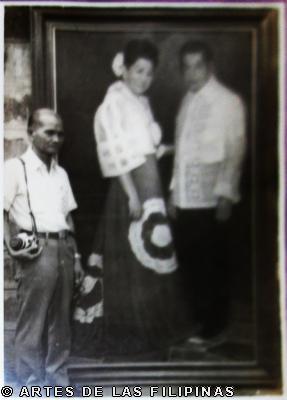
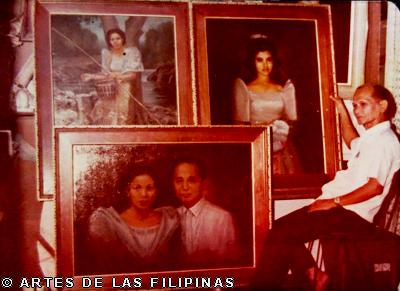
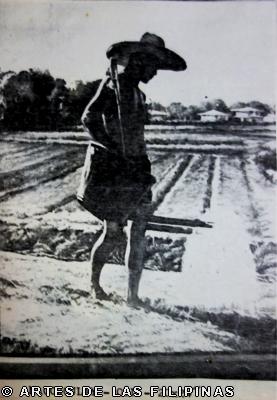
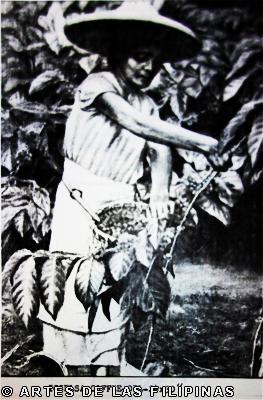
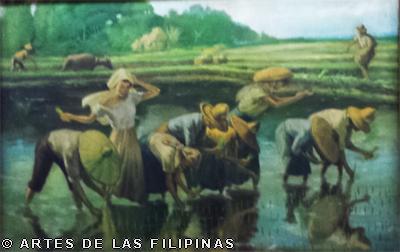
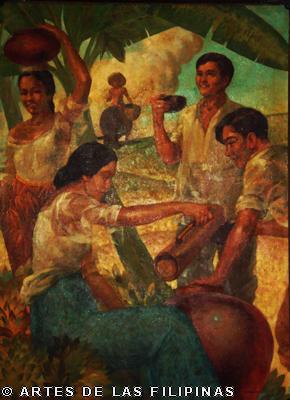
Estrada’s paintings consisted of portraits of newlyweds, rural landscapes, mythology and genre scenes. Market vendors, coffee farmers, housewives haggling over coconut heads to be grated at home, washerwoman bent on her laundry, neighbors doing their everyday work despite the rising floodwater, unharried women under wide umbrellas and naked children bathing by clay tapayans were images he often depicted.
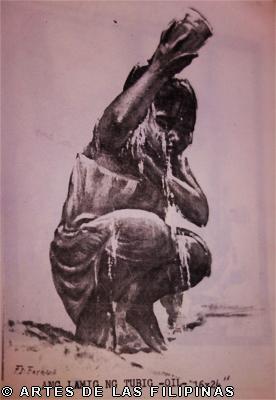

Ang Lamig ng Tubig
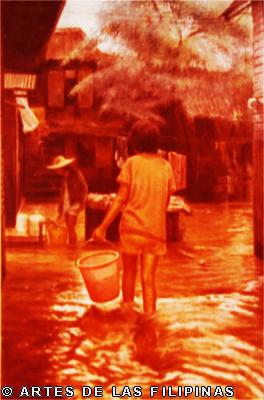

Baha
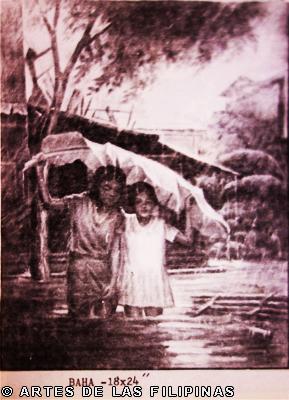

Baha
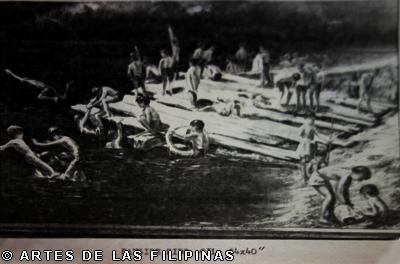

Bayside Kids
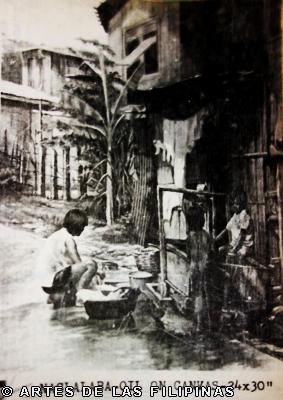

Naglalaba
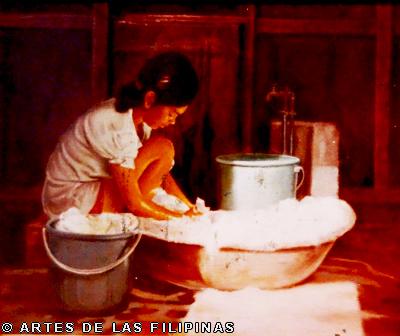

Naglalaba
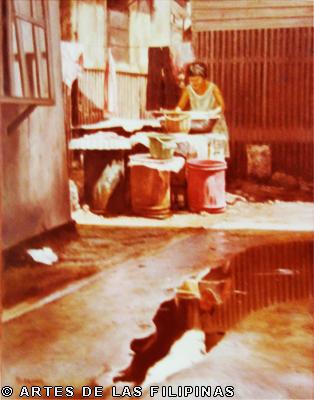

Naglalaba


Maggugulay


Igselsa Coffee


Magtanim ay Di Biro
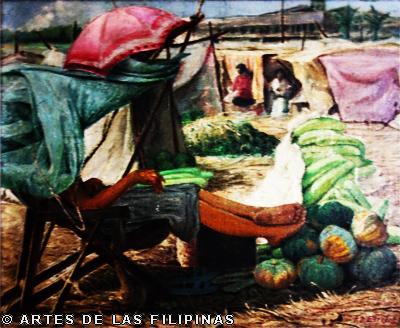

Maggugulay
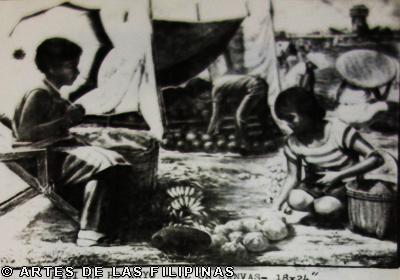

Pili Na Ho Kayo
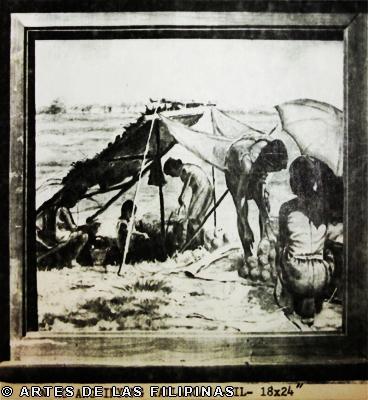

Ilan Ho Ang Inyong Kailangan
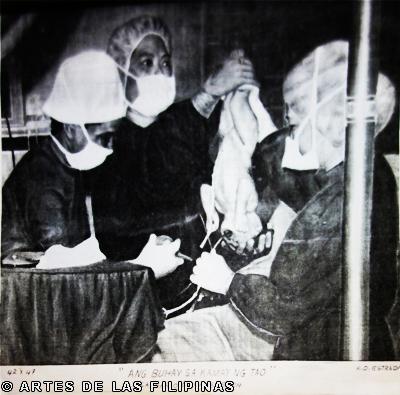

Ang Buhay sa Kamay ng Tao
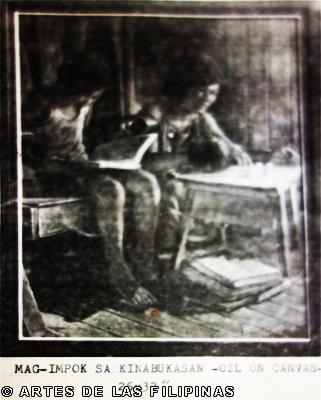

Mag-Impok sa Kinabukasan

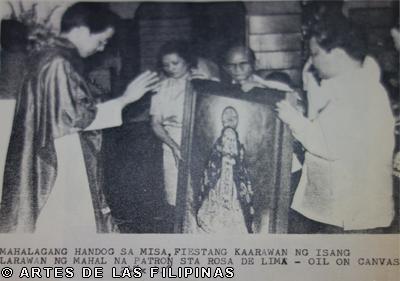
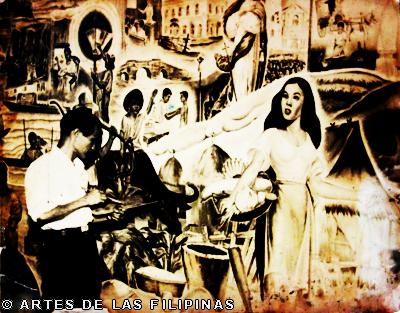
In the ensuing years, Estrada participated mostly in group shows and his obsession in his twilight years was to have a one-man show. “Why, just to have a 33 by 40 painting frame, you’ll have to spend P170 and that’s almacega wood,” he narrated. “If you buy ordinary wood, that will be P65 pero hindi maganda. I need at least to have 24 frames. Malaking capital ang involved. Kaya I’ll try my best. I don’t want group shows anymore.” Too often, a collector would come up to him and ask how much his painting cost. “I price it P1600 and the customer says I’ll get it for P1200. Ang hirap,” he complained. Two of Estrada’s monumental works was his ornamental design of the chapel and pavillon of the Malacanang Palace Chapel and the three-panel mural at the Municipal Building of Pasig.
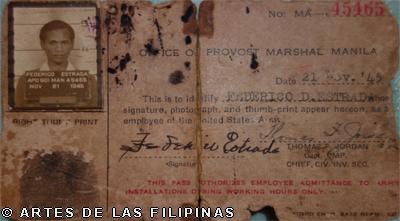
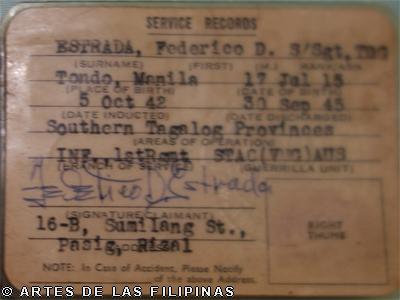
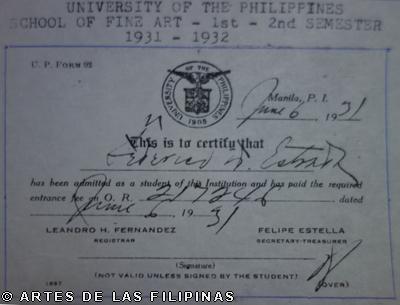
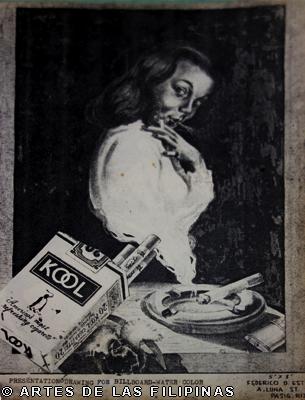
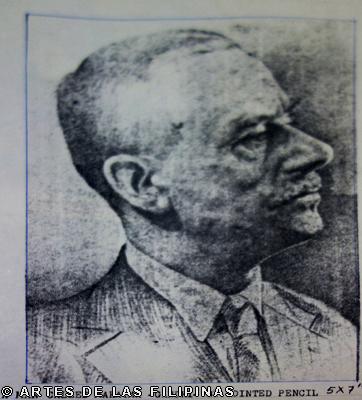
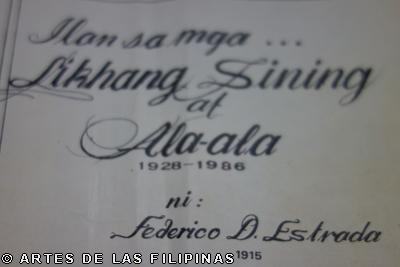
Born to a lowly family in Tondo, Manila on July 17, 1915, Federico was the elder of two sons of Flora Detrus, a market vendor who left his husband and raised his two sons by herself. “Mahirap lang kami,” he once narrated. Since he was a child, Federico’s teachers praised his drawings and mud sculptures. In 1928, he won a pencil sketching contest which put him on a scholarship at the North American School of Drawing and into its Art Club No. 95. He was not satisfied with just being a member of the club and so he enrolled at the University of the Philippines School of Fine Arts together with Max Lalata and Victor Cabrera but he only stayed from 1931-1932 because he lacked funds.


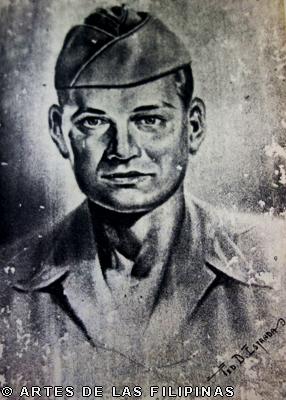
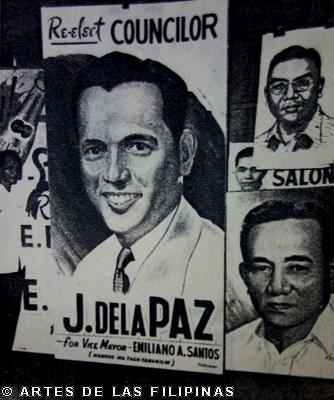
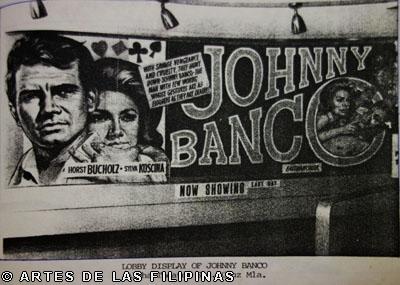
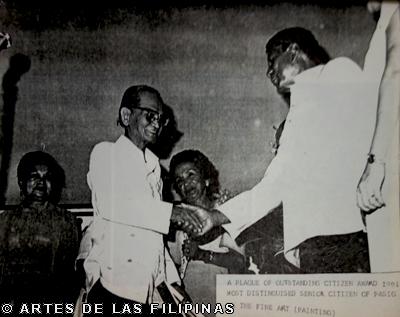
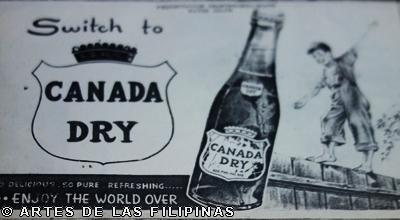
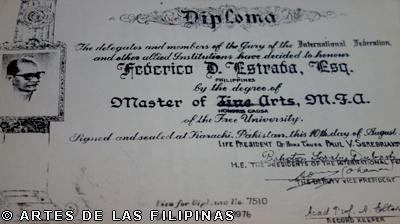
To make a living, he worked as a sculptor designer for the Manila Artistical Decoration Company from 1932-1938 until he met the Italian sculptor, Pietro Amberti of the Royal Imperial Art Gallery. During the Liberation of Manila in 1945, he was working as a senior artist at the US Air Force and was a senior illustrator of its training branch. From 1948-1950, he was the art director for the Movie Newsreel Magazine, chief artist at Bireley’s California Orange in Pasay and poster artist for Sampaguita Pictures. In 1950, he served as art director of the Institute of Commercial Art which he considered the highlight of his career. Estrada received his Master of Arts, honoris causa at the Universite Libre Asie in 1976. In 1981, he received a plaque of Outstanding Citizen Award from Mayor Caruncho  Jr..


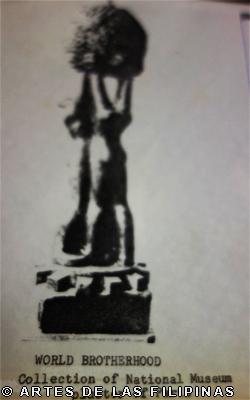
World Brotherhood


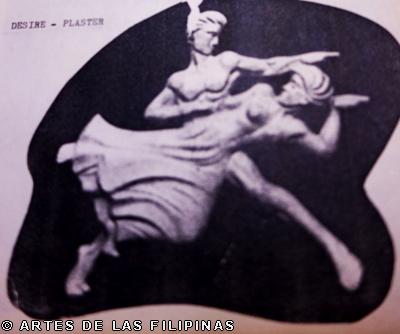
Desire


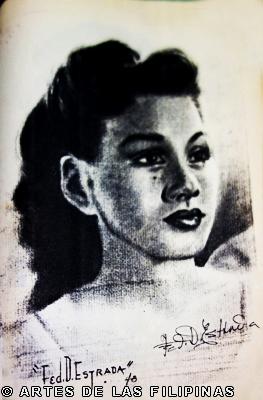
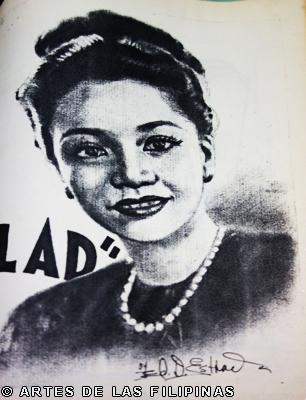
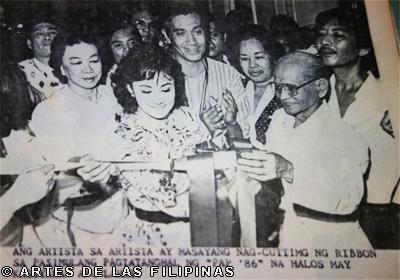
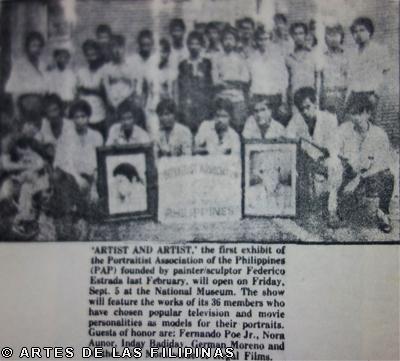
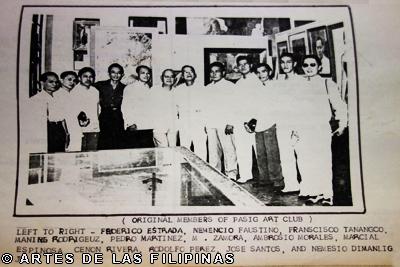
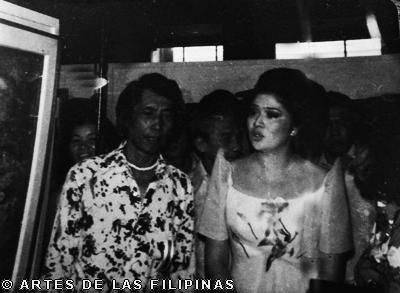
He was appointed president of the Sining Kulturang Pasig in 1985 and the following year, founded the Portraitist Association of the Philippines. That same year, the group had its first exhibition, Artist and Artist at the National Museum where the show featured the works of its thirty-six members who have chosen popular movie personalities as models for the portraits. Guests of honor included Fernando Poe Jr., Nora Aunor, Inday Badiday, German Moreno and Lily Monteverde who cut the ceremonial ribbon.
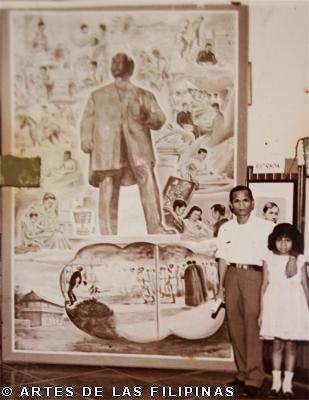
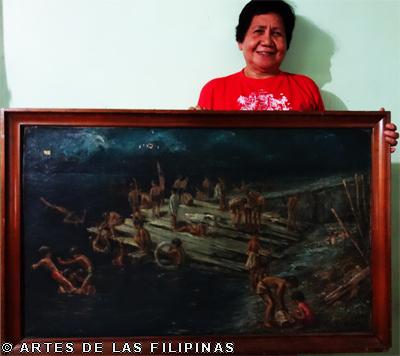
Federico Estrada’s eldest daught, Ester Reodica holding
her father’s Bayside Kids
On December 12, 1999, after the occurrence of an earthquake in some part of Manila on December 12, 1999, Federico Estrada died of cardio respiratory arrest in his house  at 16-B Dr. Garcia St., Sumilang, Pasig. He had a son, Ernesto from his first marriage. Because his first wife died early, he had a second wife, Sofia Lim with whom he had seven children: Ester, Estella, Evelyn, Emelita, Enrico, Emiliano and Elizabeth.

Porfirio Castaneda on His Tatay, Dominador Castaneda
Porfirio Castañeda on His Tatay, Dominador Castañeda by: Christiane L. de la Paz March 2016–Dominador Castañeda spent his early education at the Escuela de Bellas Artes in Quiapo, Manila. In 1924,...
lee mas...
Stuttgart museum returns looted medieval masterpiece
March 2013--The Staatsgalerie Stuttgart has returned Virgin and Child, a 15th-century painting attributed to the Master of Flémalle (1375-1444), to the estate of Max Stern, a German-born Jewish dealer who fled the Nazis...
lee mas...
Modern Graffiti Artist: HEPE
February 2009--Graffiti is from the Italian word graffiato which means scratched. It has a long history that goes back to the figure drawings found in the walls of ancient ruins in  Rome and monuments in Egypt....
lee mas...
Paete's Taka
Paete's Taka
Beautiful flowers of scarlet red adorn her from head to toe. Big, round, expressive dark eyes govern her proud head and a red stiff tail enhances her powerful back. A small horse; my first taka toy I rec...
lee mas...
Lex Tuviera's Breezy Beach and Secret Gardens
Lex Tuviera’s Breezy Beach and Secret Gardens by: Christiane de la Paz September 2014–In 1978, Lex Tvbiera received his first commissioned work from Emmi Barbin, an ardent art collector based...
lee mas...
Vermeer's Woman in Blue regains its hues
Visitors to the Rijksmuseum will soon be able to see Vermeer’s newly restored Woman in Blue Reading a Letter, 1663-64, when it returns home following a Japanese tour which funded the work’s resto...
lee mas...
Remembering Severino "LAC" Lacambra, Sr. (1918-1985)
April 2015--Nothing much have been recorded lengthily about Severino Lacambra’s life and works except that he was often written in the shadow of his more popular contemporaries, Cesar Buenaventura and...
lee mas...
Lamberto R. Hechanova: Lost and Found
June 2018-- A flurry of renewed interest was directed towards the works of Lamberto Hechanova who was reputed as an incubator of modernist painting and sculpture in the 1960s. His early works comprised of assemblages, collage...
lee mas...
Noel Soler Cuizon's Gesamtkunstwerk and Everything in Between
April-May 2017—The public exhibition of Noel Soler Cuizon’s works began in 1987 when he was a member of Hulo, a group of alumni students of the Philippine Women’s University who explored non-traditional...
lee mas...
Kitty Taniguchi's Quintessential Feminine Aesthetic
May-June 2010--Kitty Taniguchi is among the few female painters who had successfully trespassed upon a male-controlled territory. For the past thirty years, she has faithfully explored themes of femininity and feminine modes...
lee mas...