Silay’s Ancestral Houses: The Glory of the Past
Silay’s Ancestral Houses: The Glory of the Past
by: Jericho Paul Santos
January 2013--A physical structure has no significance to the community if it does not have some corresponding stories that help shape the people surrounding it. This reason has contributed to the preservation of the family structures in the city of Silay.
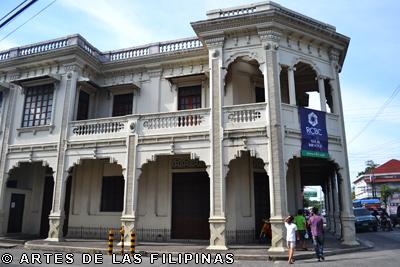
The city of Silay in Negros Occidental, 14 kilometers North, was one of the cities in the province that reaped the success of the sugar industry boom. Its golden age was between late 19th century and the early year before the Second World War. The houses were the seat of the privileged clans of the city. But the damage of the War and the decline of the sugar industry led to the return to its laid back atmosphere.
*
There are a total of thirty-one (31) recognized ancestral buildings in Silay. Some are still inhabited while some have become commercial establishments. Of all the ancestral houses in the area, the Hofileńa Ancestral Home and the two houses that are turned into museums – Bernandino Jalandoni Ancestral House and the Balay Negrense Museum are the most visited houses that are open for public viewing.
Balay Negrense Museum – The Gaston Residence
Victor Leopold Gaston is the owner of the house. He is the child of Yves Leo Germain Gaston of Lisieux, France and Prudencia Fernandez of Balayan, Batangas. One of the twelve children of the Gaston patriarch, Victor continued the sugar cane business pioneered by his father and became one of the sugar cane hacienderos.
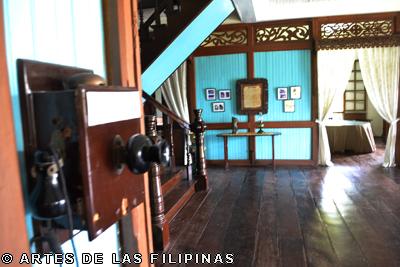
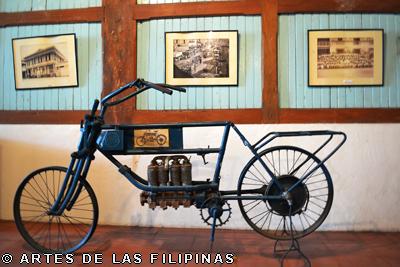
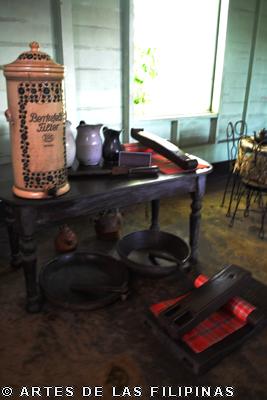
The house is divided into two levels. The ground floor has the typical living room of the era – a spacious living room to accommodate the visitors. The family tree of the Gaston clan is illustrated in a large round table to acquaint the visitors of their family background. An office desk of Victor Gaston and an old telephone and piano is also located at the ground floor. While the upstairs contain the family bedrooms, the kitchen and the long dining table suggest how big the Gaston family was. The back of the house had been turned into a gallery and souvenir shop. Also located there is the oldest bicycle in Silay which they housed at the basement.
The house has twelve rooms with connecting doors. This way, the family can still converse with the person in the nearby room but still maintain their own privacy. The separation is seen in the decorative air vents to define each rooms but not to shut light, air, sound and people. It was a Filipino concept of privacy.
Hofileńa Ancestral Home – The Story of its Charismatic Owner and Painting
This ancestral house is home to one of the finest paintings by Filipino artists. Currently, it is still an occupied residence of the charismatic owner, Ramon Hofileńa. Antiques of the Hofileńa family are seen inside the house along with their old dining sets and family portraits and wood printing in Negros was first contained in this house.
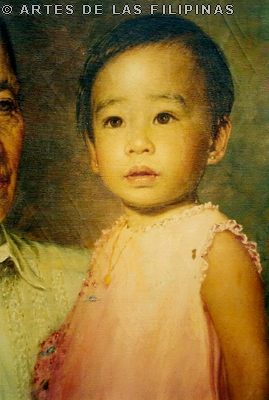
Its crown jewel however is its painting collection. The art collection will make an art collector blush with its Amorsolo, Luna, Resurreccion Hidalgo and our national hero, Jose Rizal. Along with the preservation of house is the preservation of its national artistic heritage.
Bernandino Jalandoni Ancestral House – Lifestyle of Elite
The Jalandoni house epitomizes the design of the usual nipa hut style. Originally owned by Don Bernardino and Doña Ysabel Jalandoni, the building is completed in 1908 during the height of Silay’s cultural and industrial activity. The fixtures of the house were sourced from different places. The hardwood is from Mindoro, the capiz window panels are imported from Hamburg, Germany, the interior has a dash of French aesthetic influence and the lighting and ventilation are maximized in the design.
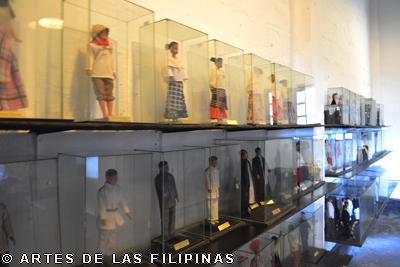
The house interiors are a mixture of its old self and the result of its transformation into a museum. A pair of decades old calesas will welcome you as you enter. Then further inside are galleries which contain images from the past both of Negros and other parts of the Philippines. At the end of the ground floor is a collection of dolls of prominent figures in Philippine history – Andress Bonifacio, Emilio Aguinaldo and Dr. Jose Rizal, among others. Upstairs, you will find the lifestyle of the Jalandoni family. A family portrait is located near the stairs. Also present are the antique furniture, long tables for family dinner, a dirty kitchen and versions of a freezer and hand iron.
Silay’s glorious past was embodied in its wooden structures. These houses will take you back to memory lane as they give you a peek on how these families lived. The artworks, furniture and fixtures tell the story of the lifestyle they enjoyed during those times.
REFERENCES
Fernandez Doreen. Feasts and Feats: Festschrift for Doreen G. Fernandez. Quezon CIty: Ateneo de Manlia University. 2000.
Libosada, Carlos. Domestic Tourism. Manila. Anvil Publishing. 2003.
Maramba, Asuncion David. Seven in the Eye of History. Manila: Anvil Publishing. 2000.